My last article outlined three criteria for judging exercises intended to develop muscle and strength. One was omitted. The fourth criteria requires that effective exercises feature Continuous High Tension Repetitions.
In addition to being uninterrupted and strenuous, CHTRs must be dynamic – featuring optimal range of motion and speed.
CHTRs are crucial as they create maximum metabolic stress and accumulate heat.
If you want maximal muscle growth, don’t give your muscle fibres a break during a set!
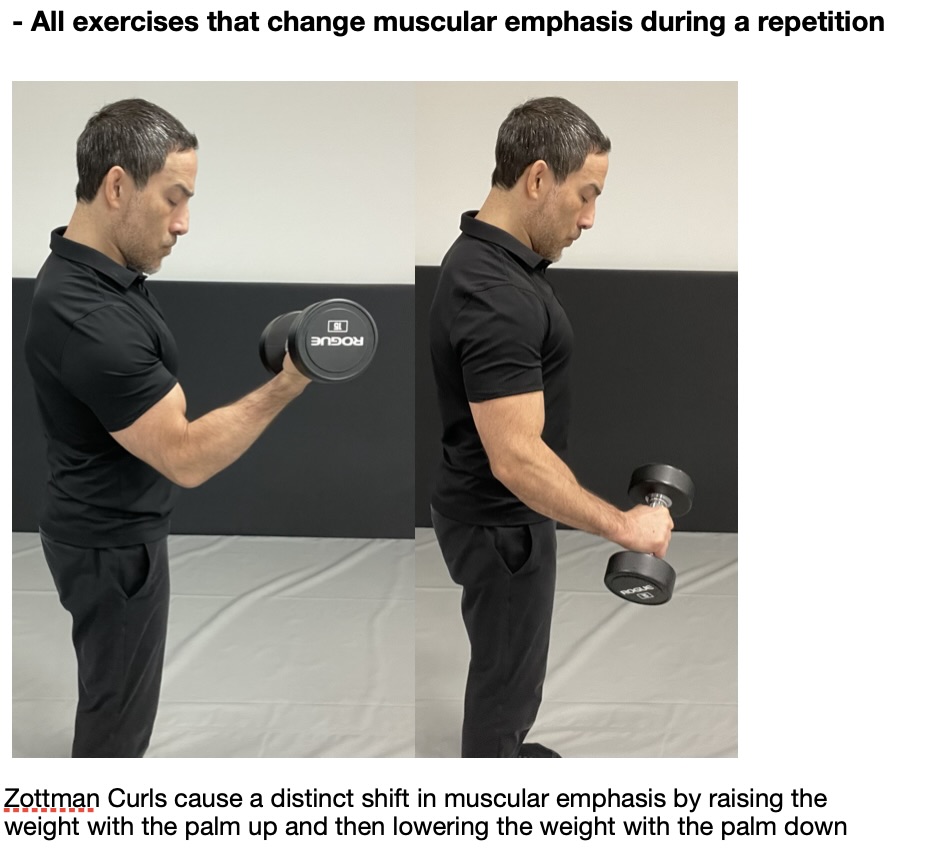
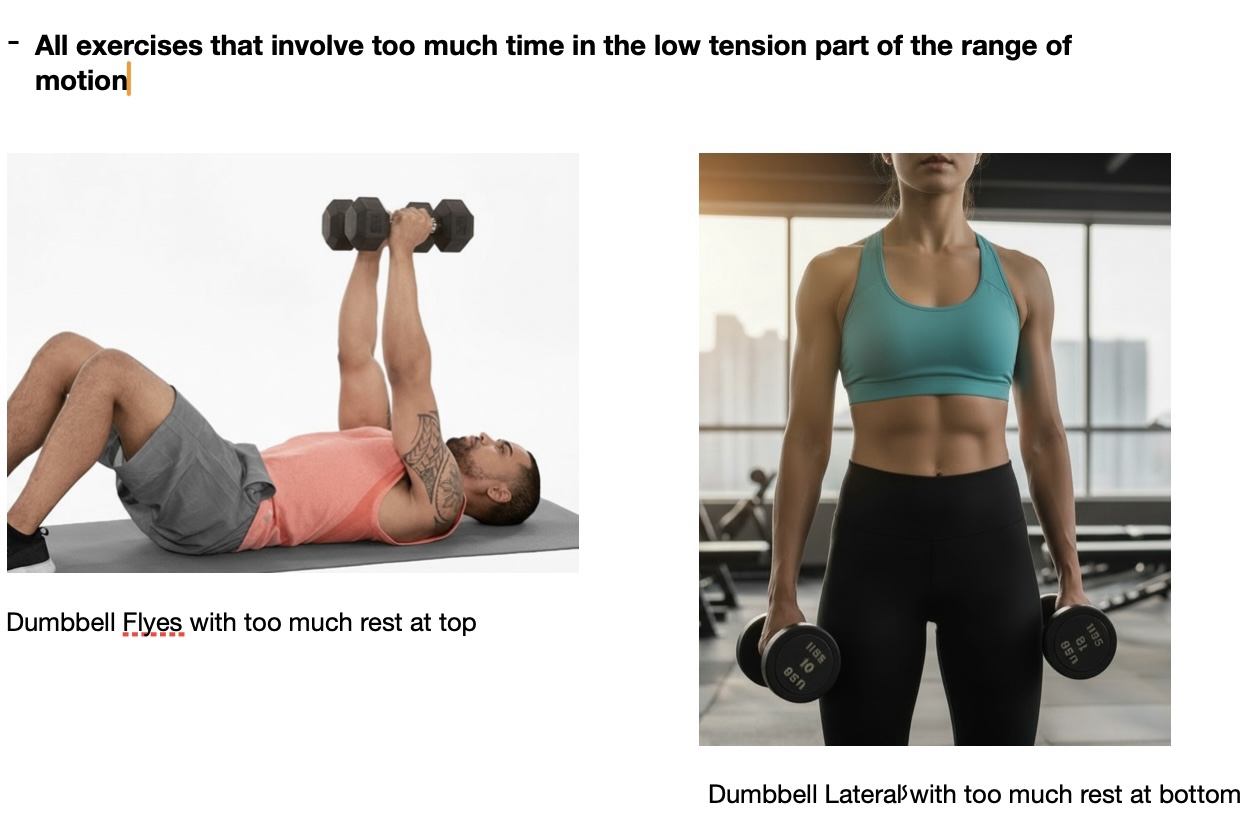
This criteria rejects the following exercises as top candidates for building muscle:
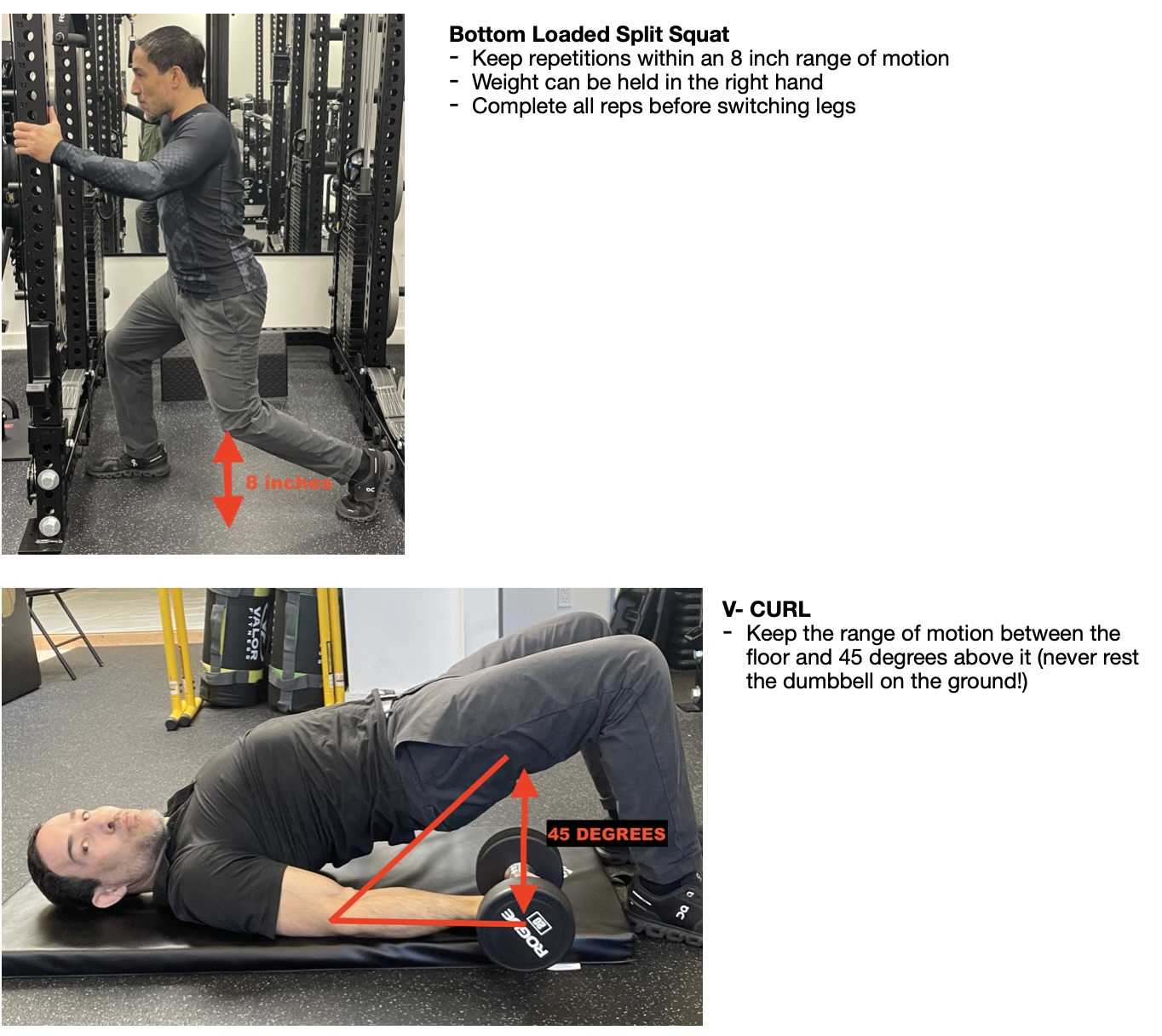
The following exercises (for lower body, biceps and lateral deltoid) feature Continuous High Tension Repetitions and are much better choices for hypertrophy than those above.
Functional Fit, The Stretch Factor, Loading Potential and CHTR are the four criteria necessary for judging exercises intended to develop maximal muscular growth. They will help you navigate through the field of fitness and will stack the odds in your favour.
The criteria is crystal clear. Exercises for muscular growth can be objectively praised or shamed based on the following:
FUNCTIONAL FIT
Exercises are the manifestation of posture, actual movement and intended movement. How well these three characteristics recruit your target muscle fibres determines “Functional Fit”
LOADING POTENTIAL
Isolated muscle fibres will not change unless they are challenged by sufficient tension. Tension is product of mechanics and the weight you are lifting. Exercises with good “loading potential” feature the stability and ergonomics required to lift heavy weights. Exercises with poor “loading potential” are unstable, awkward and limit you to bodyweight or neoprene dumbbells
THE STRETCH FACTOR
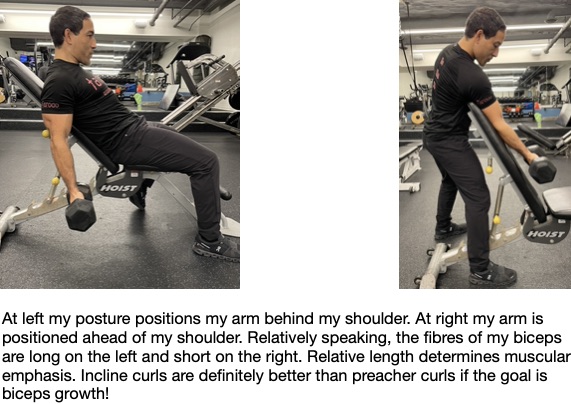
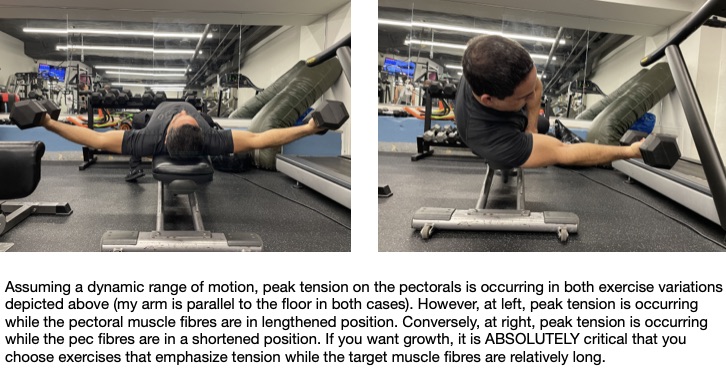
Exercises with a high “stretch factor” place the target muscle fibres in a lengthened position. Peak tension occurs right at the beginning every repetition. Exercises with a low “stretch factor” place target fibres in a shortened position. Peak tension occurs at the end of every repetition.
BELOW are a few exercises judged according to the criteria above:
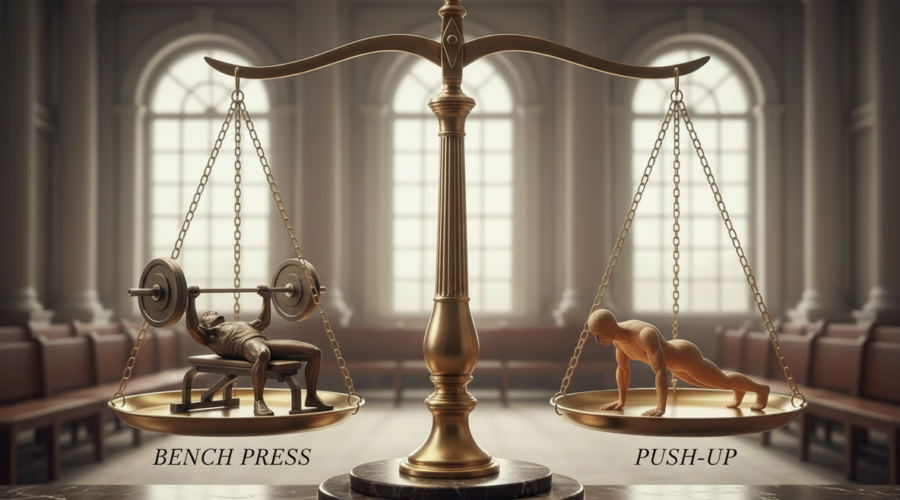
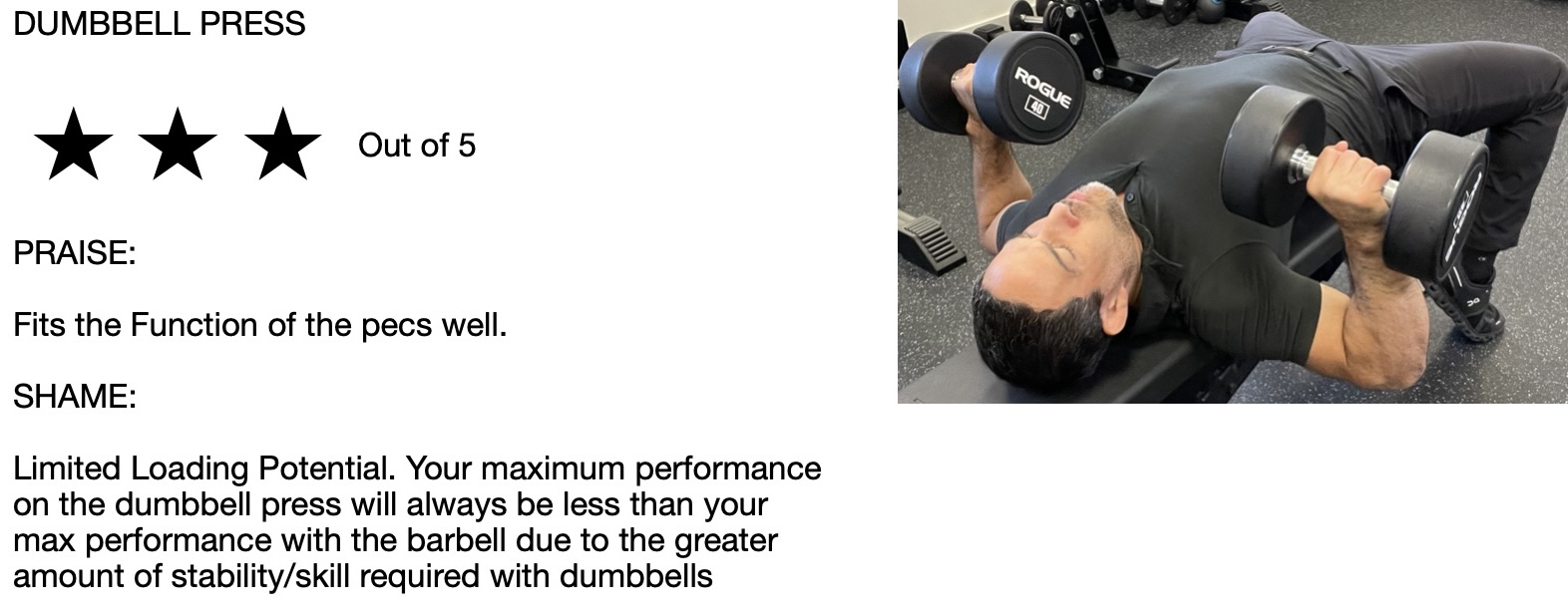
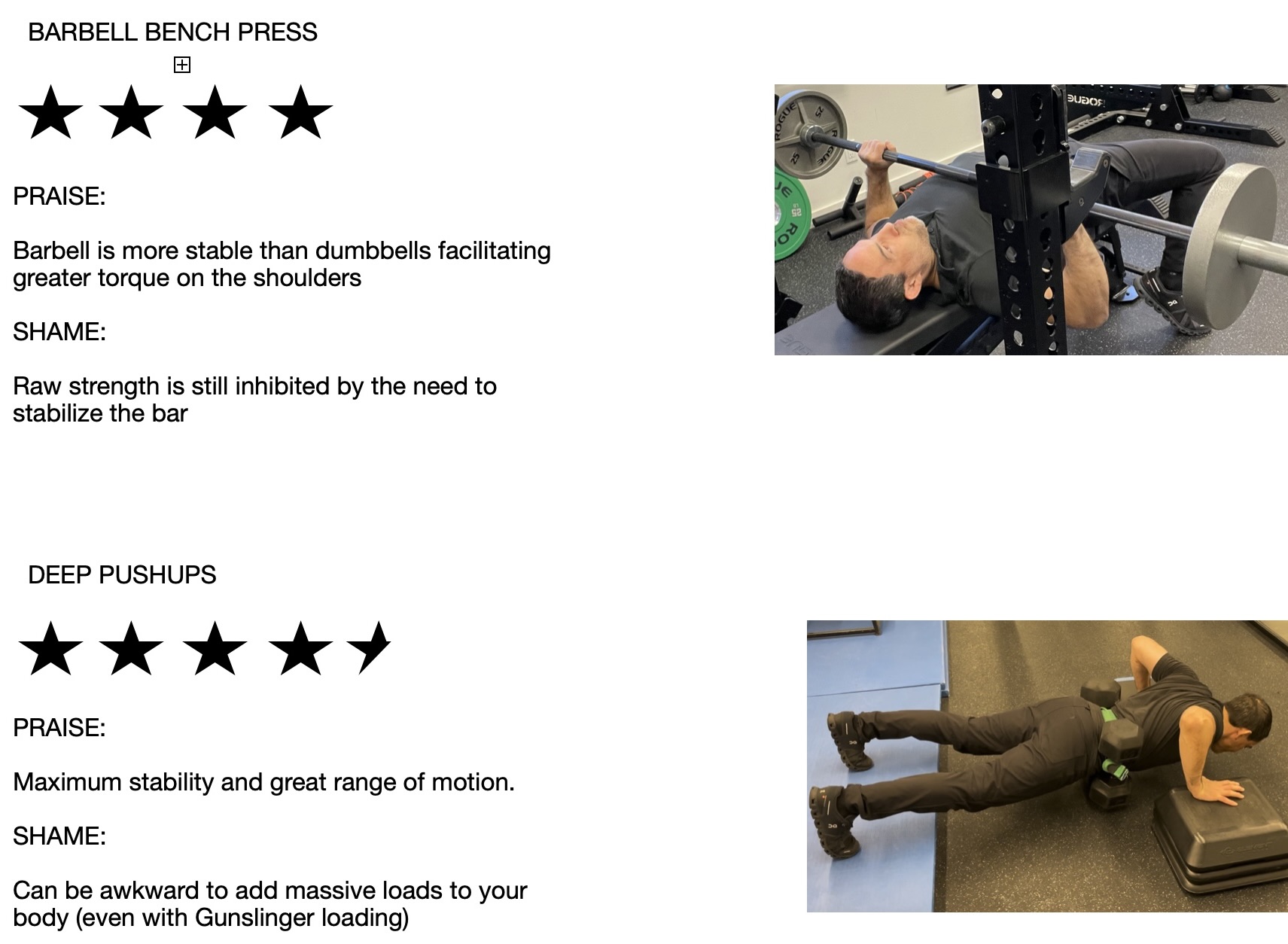
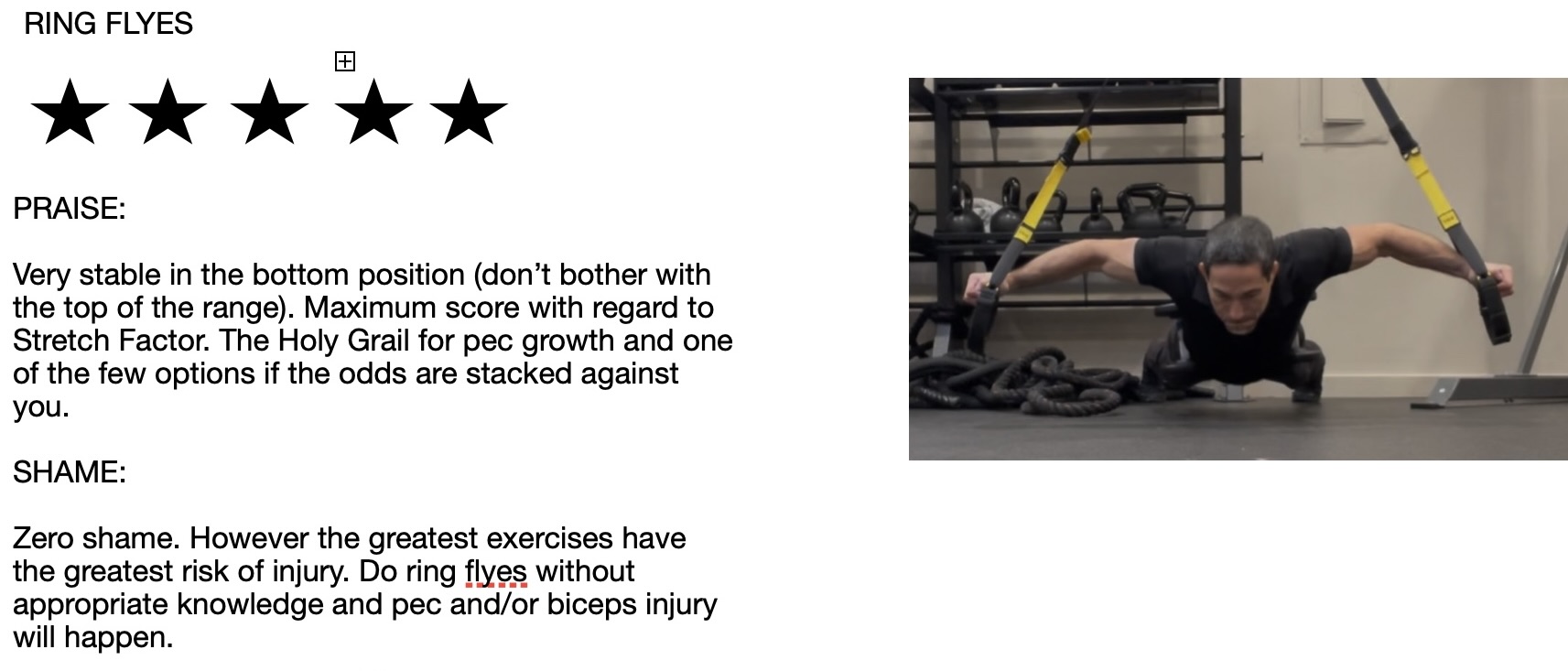
GOAL: Maximum Pec Growth
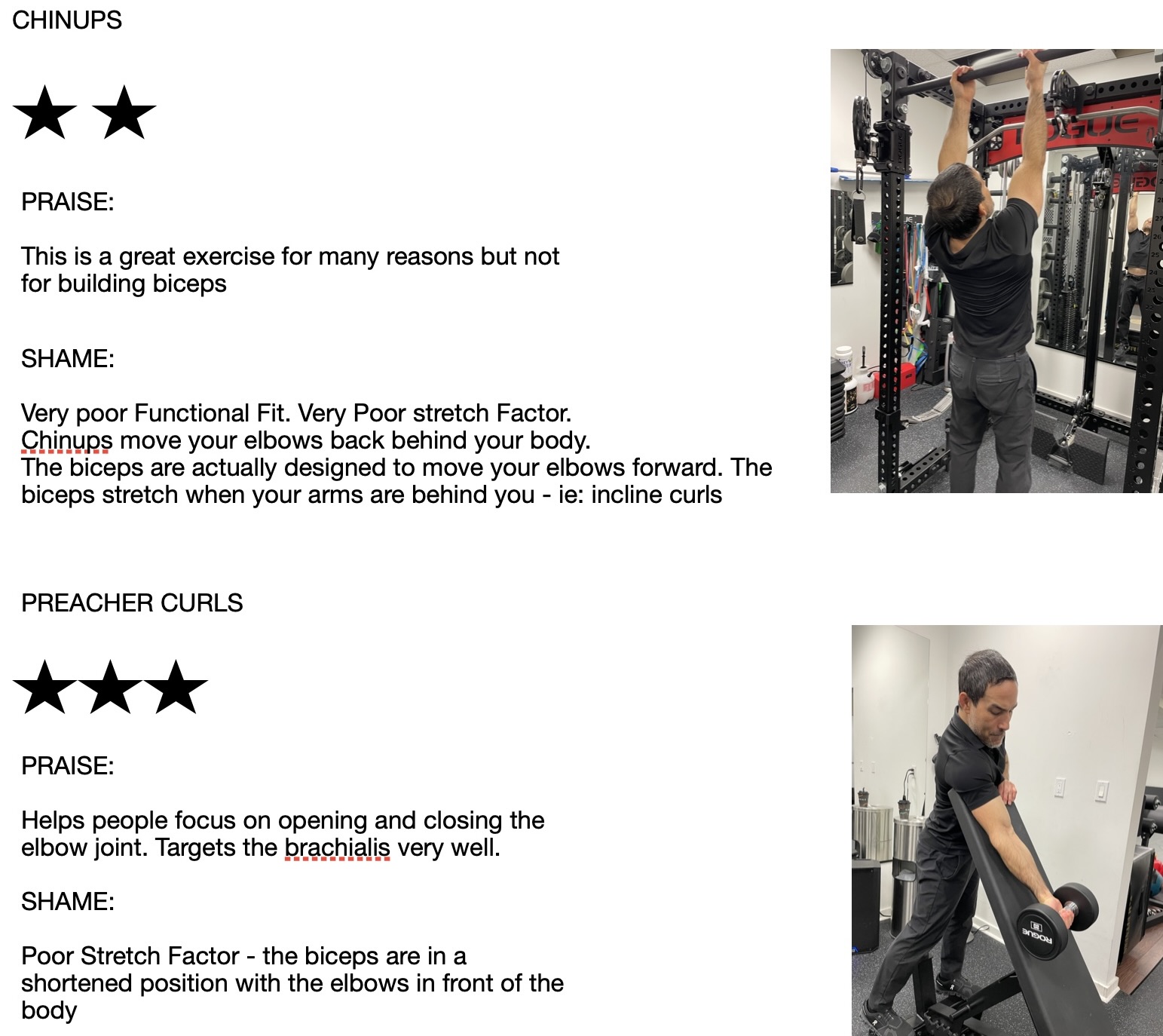
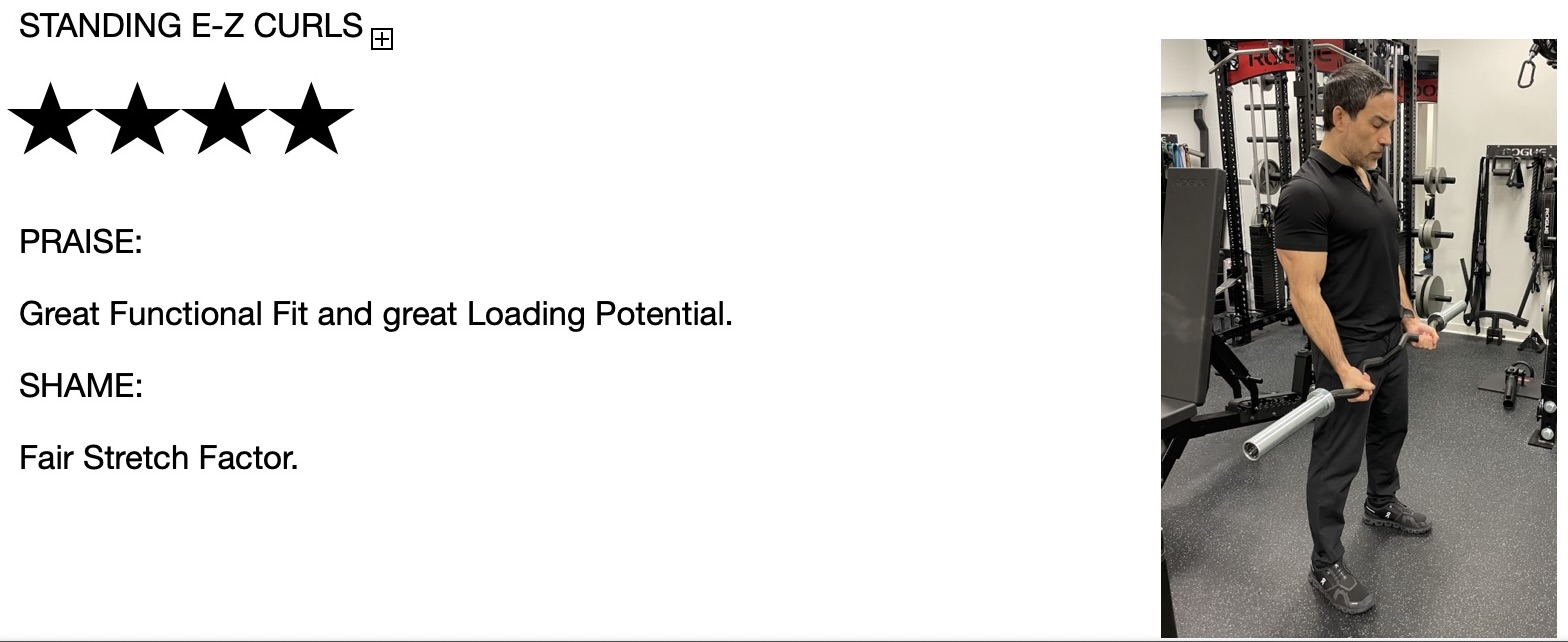
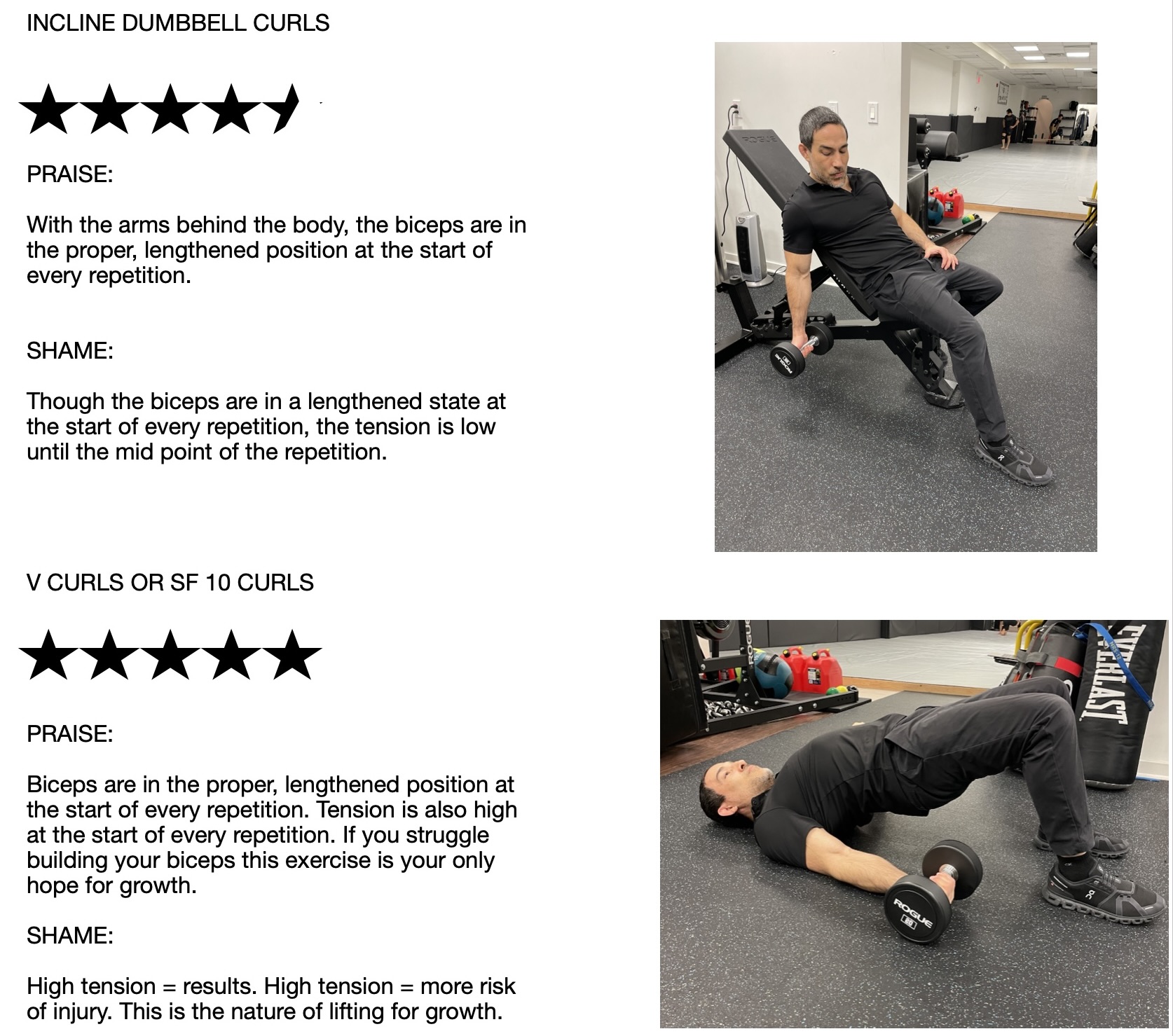
GOAL: Maximum Biceps Growth
Though you may now cast your stones with certainty, be careful lest you turn that same righteousness upon yourself.
Bodybuilders often get ridiculed for not being functional; that is they do not excel at physical tasks outside those they perform in the gym. While this growing stereotype is somewhat deserved it is not 100 percent true.
The first major disadvantage – lack of skill. Skill manages the mechanical factors (momentum, levers, elasticity, balance) which make force expression possible. Size, strength and aerobic fitness cannot compensate for mechanical ignorance. Facing novel activities, fit people generally outcompete the unfit. This generalization vanishes when the unfit are replaced by individuals with experience and skill.
The second major disadvantage – the wrong body. Bodybuilders tend to be those good at lifting weights in the gym. They have advantages in structure, metabolism and muscle type. Unfortunately, the more suitable you are with regard to one activity the less suited you will be to any other.
The first potential positive attribute – BIG. Bodybuilders tend to be heavy. Heavy can be a major mechanical advantage. Mass is essential for moving mass (pushing other people or things). However, if your own body provides much off the resistance (such as during chin-ups or marathons) – being heavy is a detriment. Sports with weight classes largely eliminate the advantage of being big.
Second potential positive attribute – crossover strength. Sometimes, bodybuilders come up against physical challenges that are similar to an exercise in their workout repertoire. Jumping, for example, is highly similar to squatting. Pushups resemble bench pressing enough that bodybuilders will generally have an advantage. However, don’t make broad assumptions! Bench pressing may be categorized as a pushing type of movement. This does not mean strength gained from its practice will crossover to other pushing type movements (like punching).
Despite building his bench press to 400lbs, Superbrosaurus still couldn’t punch hard
Diligent bodybuilders have general athletic attributes. They push themselves physically and mentally against exercises which require some degree of strength, power, balance, mobility, co-ordination and endurance. The odds are greatly in their favour against the general, unfit population. Don’t be shocked, however, when they fall short challenging novel movements especially as compared to specialists.
Muscles fibres change length during the performance of a full range of motion repetition. At the start (or bottom) of a repetition muscle fibres are relatively long. At the end (or top) of the repetition muscle fibres are relatively short.
For shear muscular size increases (as I have mentioned in past videos) muscles should be stressed in lengthened positions as opposed to shortened positions. The start of a repetition, therefore, is most valuable if your goal is muscular growth. There are various methods of emphasizing the start of a repetition. Collectively, I call them “Bottom Loading”.
Bottom Loading has spurred the greatest progress I have had since I started weight training as a teenager. In particular I have seen great progress in my biceps, chest, forearms and calves (areas that have always been very difficult – near impossible – for me to develop). Now this concept is catching on with popular influencers as scientific evidence begins to pile up:
The first, and simplest, method of bottom loading is to simply omit the top portion of the repetition on all your exercises targeting hypertrophy. Generally just the bottom third of a rep is performed on exercises such as squats, deadlifts, pullovers and flyes. Proper technique is paramount. Repetitions should be precisely controlled. Some muscle fibre length change should occur – avoid reliance on muscle elasticity. Keep in mind that pausing in the bottom position is not bottom loading and should be avoided. Pauses kill gains in strength and size and should only be performed by beginners as a method to refine technique.
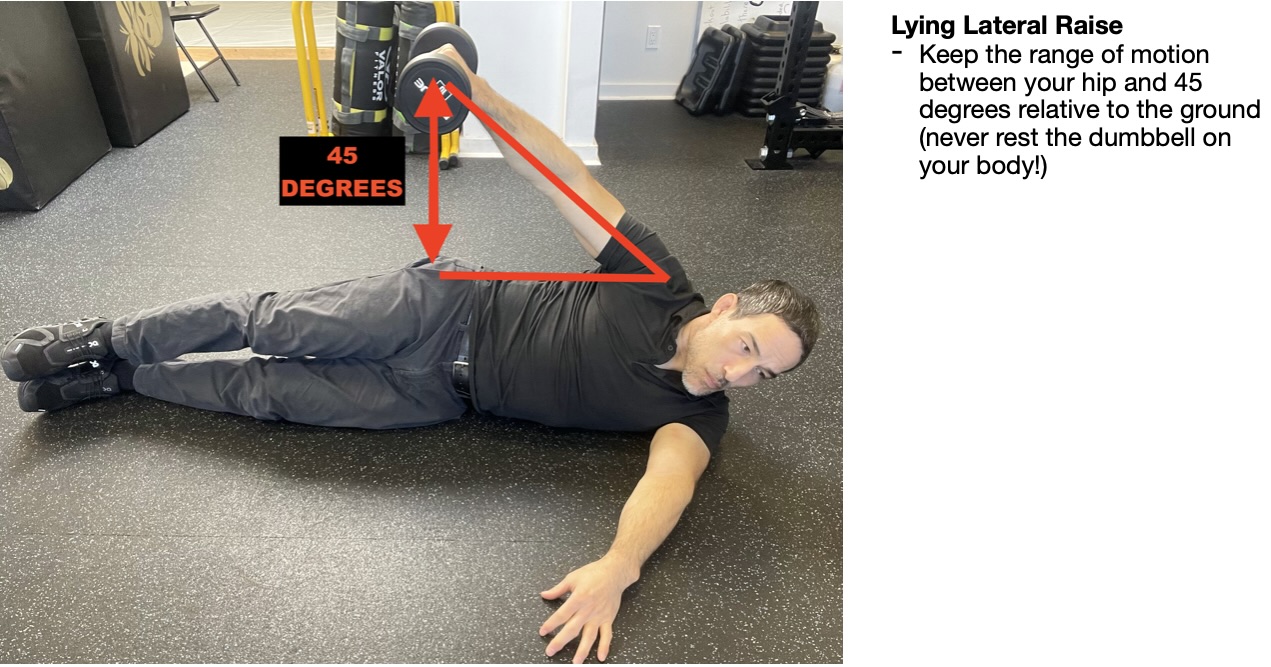
The second method of bottom loading requires a little more imagination. Begin with a traditional exercise but then shift posture to emphasize the bottom of the repetition.
Standing Lateral/Lying Lateral
Standing Biceps Curl Lying Biceps Curl
Seated Quad Extension Lying Quad Extension
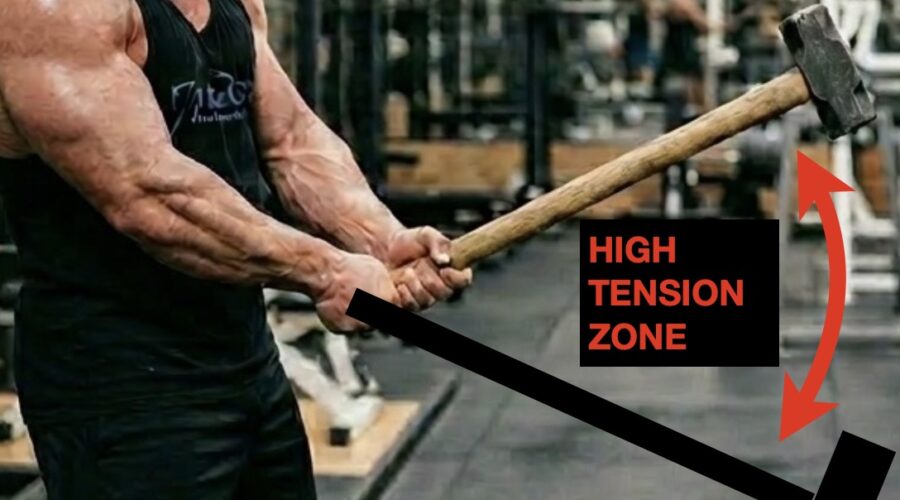
The third method of bottom loading is very easy to implement but requires some equipment setup. Recall your basic physics: Torque from moment arms are calculated as the perpendicular distance between the point of force application and the axis of rotation (just keep in mind that moment arms are heaviest when they are parallel to the ground). This use of moment arms can be seen as having an effect that is completely opposite that of resistance bands. With bands exercises always feel hardest at the top of a rep (when the band is stretched out) and easiest at the bottom. Moment arms can be used so that more effort is spent at the bottom of a rep and less effort is used at the top.
A new standard for hypertrophy has arrived. Judge any exercise (and the credibility of the person who recommended it) by its adherence to the following criteria:
Does the exercise place the target muscle fibres in a lengthened position
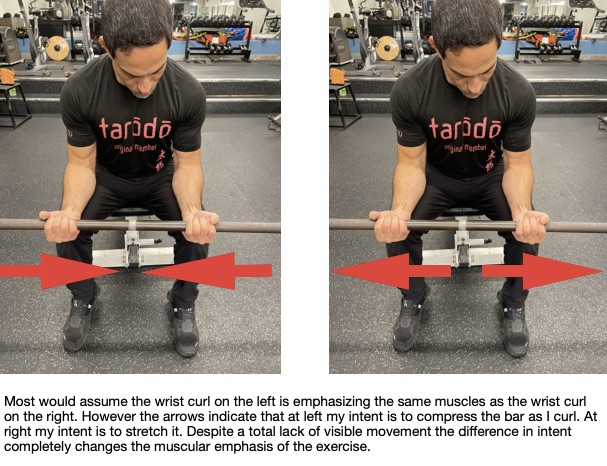
Does the exercise’s movement (and the intent of the lifter) fit the function of the target muscle fibres
Does the exercise maximize loading
Does the exercise emphasize the bottom of the repetition
Bottom loading is a giant leap in training methodology. Effectively applied, gains in size and strength are extraordinarily quick. For most, it results in enough size without resorting to steroids. It is more possible then ever to lose fat and gain muscle at the same time. Finally, effective muscle building may be the best tool we have to delay sarcopenia and the effects of aging. With bottom loading the future of muscle building is brighter than ever.
BTW – the featured image (image at the very top of the article) is an example of “Exercise Chindogu” – it does not make any sense. Don’t take it seriously.
I often hear fitness influencers state: “there are no best exercises”. This is nonsense. An exercise hierarchy exists. Exercise value is absolutely subject to a set of logical, objective criteria. This set of criteria will vary by goal. The criteria for the best exercises for hypertrophy are as follows:
(ONE) STABLE
You must feel stable to lift heavy weights. Heavy weights impose high tension on target muscle fibres. Tension is half of the equation with regard to building muscle. Avoid any exercise which feature a weight limiting wobble.
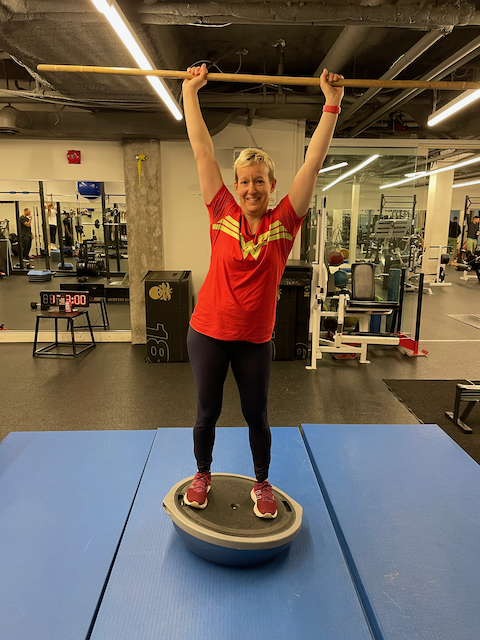
Overhead Squats on gimmicks feature a narrow base and a high centre of gravity. Jodi can barely manage a half pound stick!
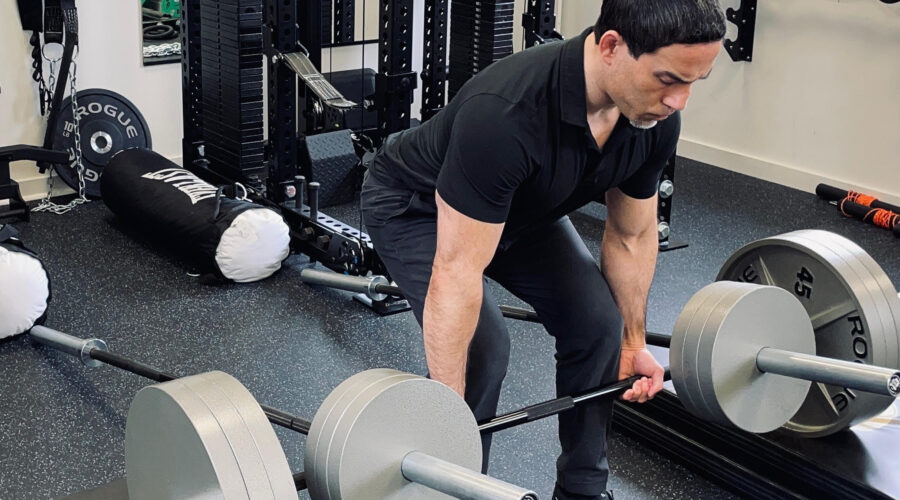
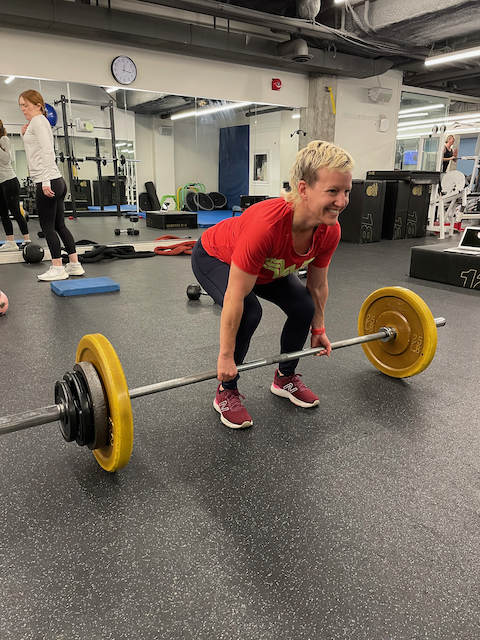
Deadlifts feature a broad base and a low centre of gravity. Jodi can place 175 pounds of external resistance on her glutes
(TWO) FITS THE FUNCTION OF THE TARGET MUSCLE FIBRES
The exercise (and the technique) you choose determine which muscle of the body is activated. This is way more nuanced than people think and is responsible for much failure in all fields concerned with muscle (health, performance and bodybuilding). Posture (body position) and intent (movement command) must be congruent with the functional characteristics of the target tissue.
(THREE) EMPHASIZES THE RIGHT ACTION
Muscle action is critical in regards to determining the effects of an exercise. Muscles have multiple ways they can contract and exert force. Fast, slow, statically, concentrically and eccentrically. Too fast and the muscle cannot generate enough tension and/or will rely on its elasticity . Too slow or statically and heat (from friction between filaments) will not accumulate. Emphasis on overcoming the resistance of a load (concentric action) rather than its relinquishment (eccentric action) is a HUGE muscle building mistake. I tell all my clients (those focused on building muscle) to imagine the filaments of their muscle fibres sliding apart prior to contraction.
(FOUR) FEATURES CONCENTRATED SLIDING
Friction occurs as muscle filaments slide past one another. This friction causes heat to accumulate. Sufficient heat spurs inflammation and muscle growth. Too short a range of motion and muscles rely on their elasticity (not allowing any sliding to occur). Too large a range of motion and segments of muscle filament (where heat should be building) do not have sufficient frequency of contact. Trim your rep range in exercises like squats, pectoral flyes and lateral raises but make sure enough movement is occurring to force intramuscular sliding.
(FIVE) EMPHASIZES TENSION WHEN THE MUSCLE FIBRES ARE STRETCHED
Dynamic exercises feature repetitions which occur over a range of motion. Within the range of motion is a point where, because of joint mechanics, tension is greatest. That point of peak tension must occur when the muscle is in a lengthened state. Muscles are more capable of tension (and likely damage) while in a stretched position. For HYPERTROPHY, an exercise’s mechanics must emphasize effort while the muscle is in a stretched position!
When it comes to muscular growth, reject any exercise that wobbles, bounces, is slow or completely stationary, emphasizes the contracted position, has bands or features a complex machine. Stubborn body parts, poor genetics and advancing age means most of us will struggle with building muscle mass. We will not succeed with second best.
A scientific consensus is an agreement which occurs after considerable time. If you refuse to consider propositions simply because they have yet to be backed by scientific consensus – you risk living in great ignorance. The following three propositions are not yet accepted facts. However, they are crucial to your success in the gym. Experiment with them yourself or fail to achieve your potential!
Proposition 1
Exercises which feature peak tension when the target muscle fibres are relatively long (near fully stretched) are far more effective (at producing muscle mass and strength) than exercises which feature peak tension when the target muscle fibres are relative short (near fully contracted).
Peak tension, in the context of common repetition technique, occurs where torque is greatest. Torque is determined by the perpendicular distance between two points; where force is applied and the axis of rotation. Where the two points are furthest away from each other – torque is at its greatest.
Muscles are far more capable of straining themselves against torque when they are relatively long as opposed to when they are relatively short. Strain is a primary component of the stimulus which generates increased muscular growth and strength.
Signs Science Is Catching On:
The reference below compares the squat and hip thrust in regards to hypertrophy of the glutes. The hip thrust is a clear example of an exercise which features peak tension (maximum torque on the hip joint) when the target muscles are relatively short (or near fully contracted). The hip thrust gives a great sense of muscular activation but feel and results are not congruent. Peak tension while the muscles are relatively long (or near fully stretched) is clearly superior as indicated by the greater glute hypertrophy produced by squatting.
Barbalho et al. 2020. Back Squat vs. Hip Thrust Resistance-training Programs in Well-trained Women. 10.1055/a-1082-1126
Proposition 2
Heat is the primary stimulus for muscular growth.
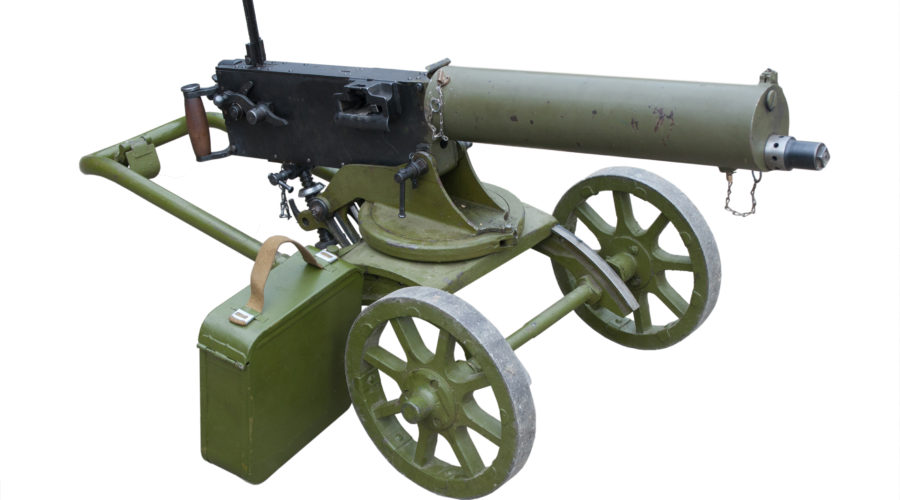
Thanks to our extraordinary aggressive DNA, we have discovered that a limiting factor with regard to killing many humans is the rate at which we can fire bullets. Machine guns are capable of firing bullets at an extraordinary rate, however their development required solving the problem of over-heating barrels. Many solutions to the problem of overheating barrels have been adopted. Two serve as decent analogies for muscular hypertrophy and are presented here:
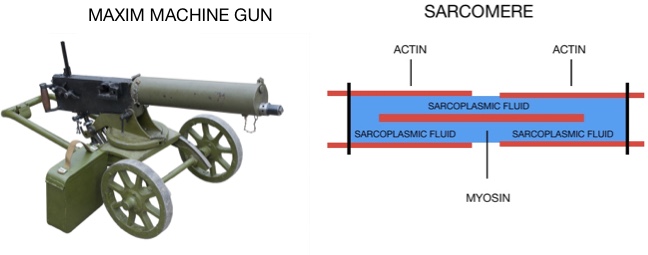
Solution number one involved surrounding a single barrel with a jacket of water. This is analogous to surrounding a strand of myosin with sarcoplasmic fluid.
The Maxim machine gun is analogous to sarcoplasmic hypertrophy. Sarcoplasmic hypertrophy occurs when there is an increase of fluid within muscle fibres.
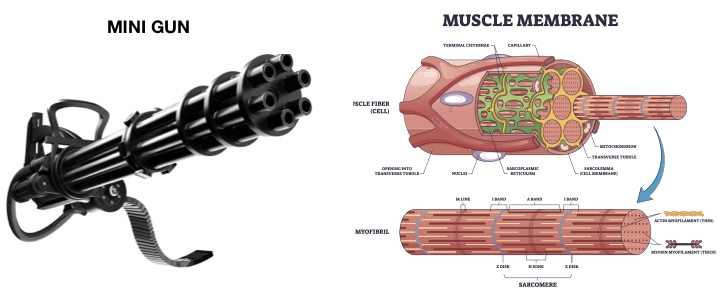
Solution number two involved implementing multiple barrels to allow for more cooling time between rounds. This is analogous to the proliferation of satellite cells and the development of more muscle fibres.
The Mini machine gun is analogous to hyperplasia. Hyperplasia refers to an increase in the number of muscle fibres.
Heat, with regards to muscles and machine guns, is the product of friction. In machine guns it the friction between the outer surface of the bullet and the inner surface of the barrel. In muscles it is the friction that occurs as actin slides along myosin. In practice, I always tell avid exercisers to try and envision the sliding of muscle fibres when performing repetitions. Much like rubbing two sticks to start a fire, muscular heat is best generated by an optimum combination of tension, duration, speed and amplitude.
Signs Science is Catching On:
The study below illustrates how heat plays a role in hypertrophy with the application of a hot plate to exercising arm muscles.
Goto K, Oda H, Morioka S, Naito T, Akema T, Kato H, Fujiya H, Nakajima Y, Sugiura T, Ohira Y. Skeletal muscle hypertrophy induced by low-intensity exercise with heat-stress in healthy human subjects. Jpn J Aerosp Environ Med. 2007;44:13–18.
This second study, referenced below, concluded that partial range of motion exercise results in greater oxygen deficit than full range of motion exercise. Hypoxia, according to the researchers, is an essential stimulus for muscular hypertrophy. However, the manner in which the triceps extension (the exercise used in the study) was performed was also optimal for the production of heat. In regards to heat generated from friction, long, infrequent repetitions allow heat to dissipate. Short, rapidly-repeated repetitions force heat to accumulate. The partial range of motion triceps extension technique also emphasized peak tension while the target fibres (media and lateral head of triceps) were at significant length.
Masahiro G et al. Partial range of motion exercise is effective for facilitating muscle hypertrophy and function via sustained intramuscular hypoxia in young trained men. Strength Cond Res. 2019 May;33(5):1286-1294. PubMed.
Proposition 3
The most powerful way to manage athletic injuries and joint issues is by strengthening weak synergists.
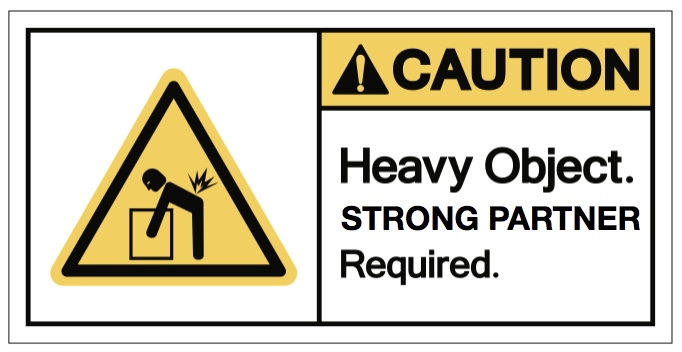
Muscles which share a function (such as bending the elbow) are called synergists. If one muscle within a pair of synergists becomes weak, the other muscle will have to compensate. It is the burden of compensation which causes muscles to become tight, painful and prone to tearing. Painful muscles recover rapidly once their weak synergists are strengthened and the burden of compensation removed.
ALL muscles require strong partners to recover and stay healthy!
Signs Science is Catching On:
Renowned researcher Shirley Sahrmann (PT, PHD) has stated, “when a muscle is strained, the first thing to do is look for a weak or underactive synergist”.
Occupy your mind with scientific research and reasoning. However, be willing to consider novel ideas and original thinking. Experiment with the three propositions above and your results will drastically improve. Nothing is more compelling than first-hand experience.

 By taro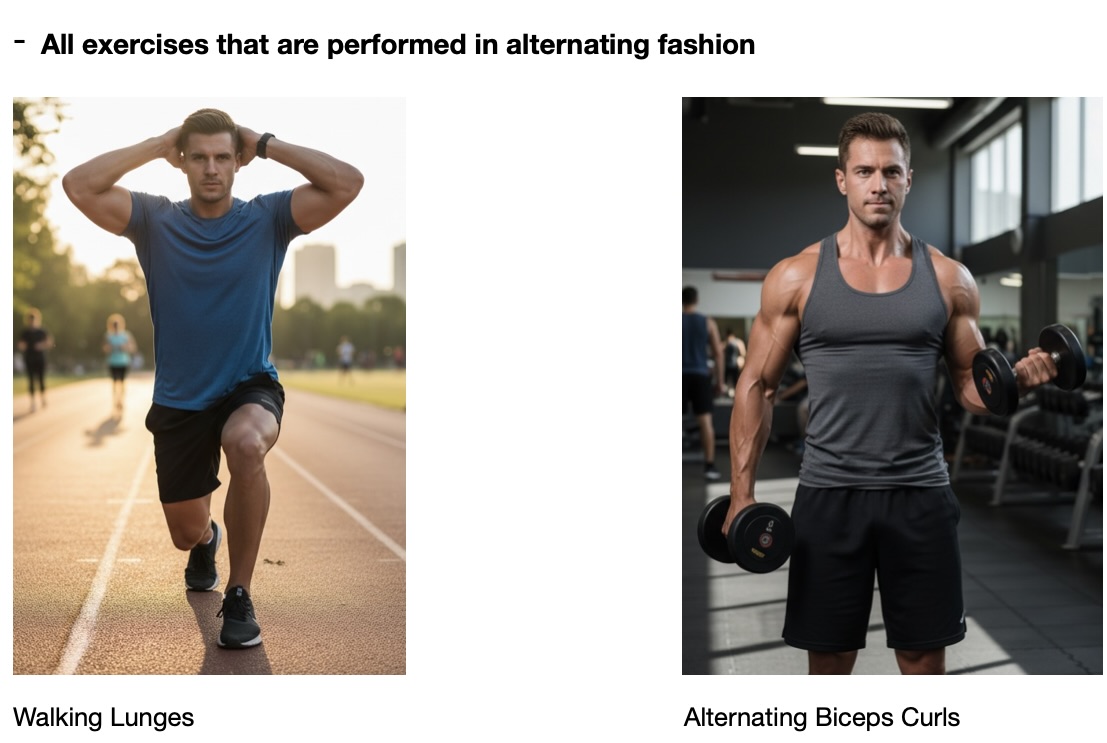











Recent Comments