
 By taro
The Dragon Slayer
Adds pounds of muscle with bodyweight squats.
Continue Reading
Adds pounds of muscle with bodyweight squats.
Continue ReadingIntermittent fasting (IF) is a popular method of dietary regulation. Its most common form features a fasting period of sixteen hours alternated with a feeding period of eight hours. From a physiological perspective, IF causes weight loss with the associated health benefits. From a behavioural perspective, IF is easy to sustain as it requires minimal calorie counting and food restriction. Most importantly, unlike other diet plans, IF results in daily fullness (since a whole day of eating is crammed into an eight hour period). Unfortunately, IF is a poor choice of dietary regulation for serious anaerobic athletes as fasting periods interfere with maximal muscle protein synthesis (MMPS). MMPS (the greatest rate of muscle development) is necessary for maximal performance, recovery and definition. It requires a total protein intake of 1.6 to 2.2 grams per kilogram body weight¹ spread evenly (in doses ranging from 4 to .55 grams per kg body weight¹) throughout the day. Can the benefits of IF be combined with the requirements of MMPS?
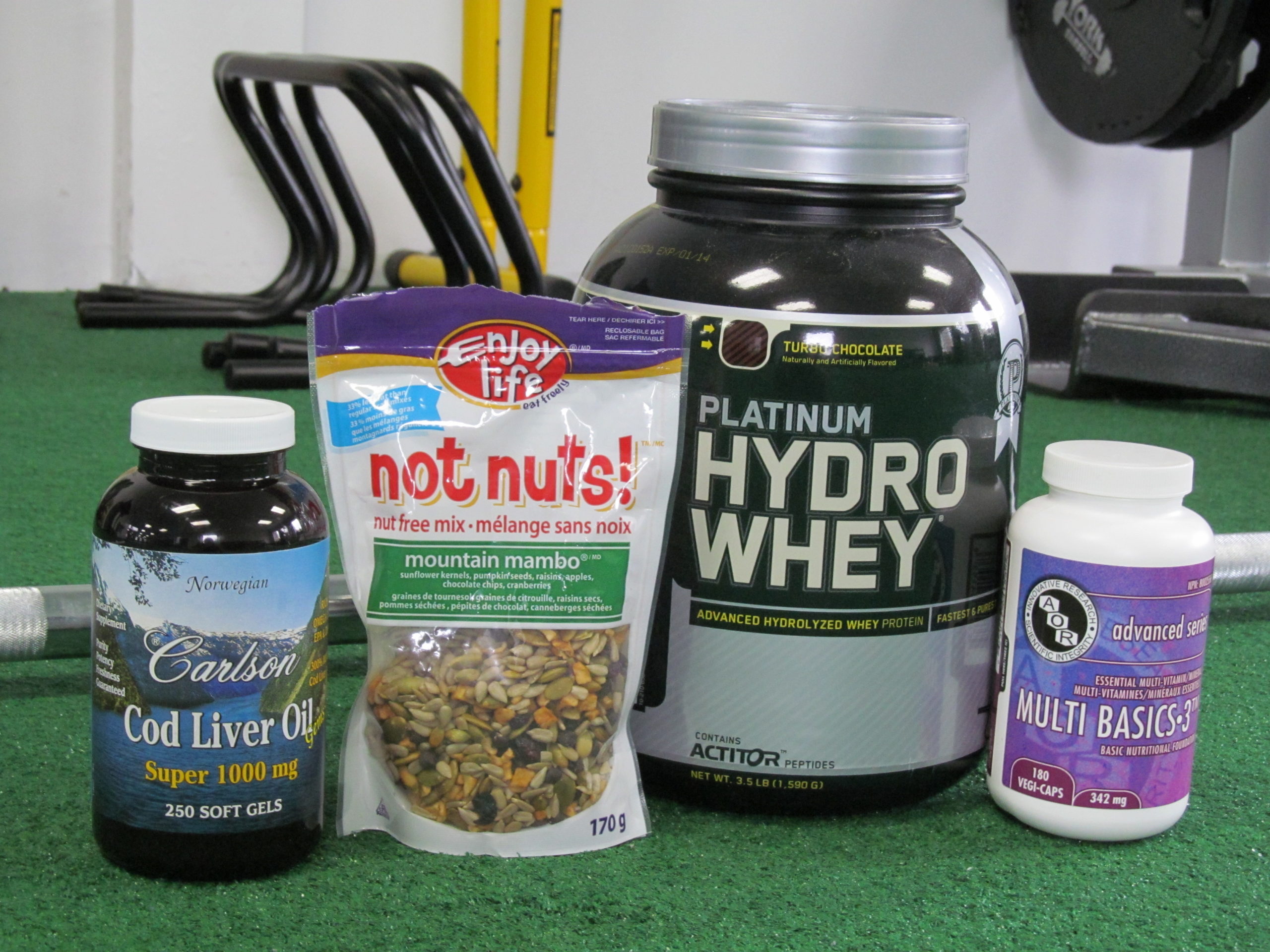
Proponents of strict fasting argue the practice improves insulin efficiency, maintains daytime energy levels and allows fat loss (amongst other things). A modified version of IF would involve substituting strict fasting periods with protein periods to accommodate MMPS. Although sacrilegious to fasting fanatics, protein periods (featuring low or no carbohydrates) would still improve insulin function, maintain alertness and allow fat loss to occur (especially if the usual eight hour feeding period were reduced). Protein does not result in significant changes in blood sugar and is associated with improved insulin sensitivity. Besides, our bodies are store houses of readily accessible protein, carbs, fats and toxins – does a truly fasted state (as espoused by strict fasting zealots) really exist? In addition to those benefits already mentioned in regard to MMPS, a higher protein intake would also result in greater feelings of satiety and provide more protein derived nutrients (such as creatine, carnitine, carnosine, heme iron, immunoglobulins, dha/epa, K2, D3 etc.). I have been using a modified version of intermittent fasting (MIF) ever since Ori Hofmekler disclosed the concept of the Warrior Diet. Both simple and advanced renditions of MIF have resulted in dramatic AND sustainable changes in myself as well as clients. Below is an outline of a MIF plan without specific food or supplement recommendations (suitable for a 175 lb individual).
Modified Intermittent Fasting Protocol
Breakfast
30 grams protein
Three hours later
30 grams protein
Three hours later
30 grams protein
Three hours later
30 grams protein
Three hours later
6 hour “open” feeding period
(including 55 grams of protein to meet the day’s total protein requirement )
***make sure you consult with a registered dietician before starting or changing a diet plan***
A compromise between MMPS and intermittent fasting is possible. MIF retains much of the flexibility, convenience and satisfaction of the most popular mode of IF and includes the result boosting power of MMPS. For serious anaerobic athletes there exists no other way!
BJJ enthusiasts are obsessed with the idea of improving their success in the sport. In the hind regions of their brains are memories of individuals with athletic backgrounds having a distinct advantage on the mats. With these memories as motivation, BJJ students will try any physical activity that inspires visions of glory. Popular choices include cross fit, gymnastics, rock climbing, bodybuilding, powerlifting, functional training and olympic lifting. Unfortunately, instead of glory, the result of cross training in other sports is always more fatigue, more injury and greater poverty. Cross training, or the participation in a sport for the sake of improving another sport, sucks for many reasons. Chief amongst these reasons is lack of specificity, superfluous strain and disregard for individual needs.
Specificity is a term more BJJ students need to become familiar with. Physical activities, are distinct because of their specialized muscular, metabolic and movement demands. These demands are far more specialized, or specific, then most people realize. For example, many BJJ students believe powerlifting or other basic strength training programs are valuable in regards to improving their strength on the mat. Unfortunately, these activities will give little return on invested effort. For starters, most lifting programs are based on muscular efforts which expose the core. Lifts like deadlifts, cleans, bench presses, overhead presses and squats result in the exposure of BJJ’s most valuable real estate – the space between our hips and armpits. BJJ fighters actually exert a lot of muscular effort trying to cover the core. We pull our knees to our chest to battle guard passers and we squeeze our elbows tight into our ribs to stop underhooks, chokes and arm attacks. The ability to squeeze our limbs towards our core is also critical for finishing chokes, armlocks and for controlling the back. Bodybuilders, power lifters, cross fitters and other strength training enthusiasts come to the dojo with great general strength and power but have gross deficiencies in regards to performance factors specific to BJJ.
Cross fit attracts many BJJ enthusiasts as it is a sport which values the development of a fuel tank which matches muscular horsepower. Unfortunately, any return on invested effort would be minimal and likely masked by overtraining. While some BJJ students find the ten to fifteen minute WODs help with stamina, WODs are preceded by a variety of exercises which are specific to cross fit and not grappling. Additional hours of weekly training (with irrelevant exercises) is not desired by bodies already strained by full time BJJ training.
Yoga is another activity popular with BJJ students. Most hope to become lethal contortionists with improved posture and recovery. Unfortunately, Yoga is dedicated to its poses and movements – not with BJJ positions and movement. My BJJ student John, joined a Yoga class in hopes of gaining more flexibility for his rubber guard and butterfly hooks. John soon discovered Yoga instructors are in the dark in regards to the guard game. Some yoga poses actually do stretch the specific muscles required for John’s BJJ ambitions but the class did not spend enough time focusing on them. Yoga has hundreds of other poses to prioritize. BJJ students will find it hard to address their posture and pain issues in a yoga class. Not everyone has the same posture type or the same issues. It is impossible to accommodate the needs of the individual in a large group.
Specificity guarantees that most sports and physical activities won’t match the demands of BJJ practice or competitions. The primary reason people with a sporting history often excel at BJJ is that they are gifted athletes. They are naturally able to adapt to physical activity and have high movement intelligence. Some of us are not as naturally gifted and require more effort to excel at a sport. Supplement deficiencies in your ability to express energy with strength and conditioning. Strength and conditioning is not cross training. It is physical activity dedicated to improving a chosen sport and is not a sport itself. A strength and conditioning program for BJJ is designed to focus on BJJ muscles, BJJ energy systems and is customizable to the needs of the individual athlete. High energy governed by maximum efficiency is unbeatable.
Without fail, at the change of season, hysteria grips the population. The removal of winter clothes triggers Extreme Self Consciousness Syndrome. The most common symptoms are the sudden urge to control calories and begin exercise. During this time of hysteria sufferers are especially vulnerable to gimmicks and gizmos. Follow the tips below and thrive while others suffer.
Commit to your mission:
Without fail, as soon as anyone sets a goal for themselves obstacles appear. Anticipate the usual setbacks; social occasions, travel, injuries, illness, stress, haters and saboteurs. Those whom are prepared will prevail! Instead of pacifying yourself with food deal with the important issues of the day and be confident in your ability to surmount adversity.
Limit the damage:
The first step for many clients is to limit their eating to between 2 pm and 10 pm. This strategy is effective for a number of reasons:
Base your diet on protein:
Protein is the fundamental food of choice for these reasons:
Recent evidence indicates .8 grams of protein per kilogram of bodyweight is not enough. Target between 1.6 and 2.4 grams of protein per kilogram bodyweight daily.
Target Glycogen Not Fat
Encourage your body to burn glycogen and it will respond by storing more glycogen. Encourage your body to burn fat and it will respond by storing more fat! Fat burning aerobic exercise reduces metabolic rate and diminishes muscle mass and power. Glycogen burning anaerobic exercise boosts metabolic rate and increases muscle mass. It also diverts calories from fat storage (in belly fat, hip fat etc.) to glycogen storage (in biceps muscle, butt muscle etc.). To ensure that your workout is burning glycogen and not fat keep exercise intensity above what can be sustained for two minutes. Take breaks that are both frequent and long enough to ensure maintenance of this intensity level. Activities conducive to anaerobic training include: sprinting, rowing and strength training.
Get Into Cyclical HIIT Training
High Intensity Interval Training rips fat off the body but sustaining peak volume is impossible. To avoid premature HIIT burnout, program your weekly volume progressively. Build to maximum levels and then reduce to beginning levels. Repeat this cycle according to tolerance. Below is an average example of this concept:
1 set is composed of a 30 second maximal or near maximal sprint followed by a 30 second walk. Make sure to warm-up prior to your first set!
Week 1 Week 2 Week 3 Week 4 Week 5 Week 6
6 sets 7 sets 8 sets 9 sets 10 sets 11 sets
Week 7 Week 8 Week 9 Week 10 Week 11 Week 12
12 sets 13 sets 14 sets 15 sets 6 sets 7 sets
ETC!
Do a lot of strength training:
Your muscles are sponges saturated with calories. Squeeze them dry and they will suck calories away from fat cells. Squeeze them too much, however, and their calorie sucking ability will be impaired. Maximize calories sucking ability by draining as many muscles as possible rather than pummelling a select few. The usual split of chest and triceps Monday, quads and abs Tuesday, back and biceps Wednesday, shoulders and traps Thursday, lower back and hamstrings Friday is inadequate. Far too few muscles are being drained of their glycogen. A more sophisticated program of sufficient variety looks like this:
Monday:
Back (Scapular Depressors)
Chest (Lower Fibres and Pec Minor)
Elbow Flexors (Supinators)
Triceps (Long Head)
Tuesday:
Quads
Adductors of the thigh
Calves (Supinators)
Wednesday
Shoulders (Medial Rotators)
Abs (Upper Fibres and Obliques)
Neck (Flexors) and Traps
Thursday:
Back (Scapular Retractors)
Chest (Upper and Mid Pec)
Elbow Flexors (Pronators)
Triceps (Lateral and Medial Heads)
Friday:
Low Back/Hamstrings
Abductors of the thigh
Calves (Pronators)
Saturday:
Shoulders (Lateral Rotators)
Abs (Lower abs and Hip Flexors)
Neck (Extensors)
Cook Enough for Leftovers
Pasta, rice and potatoes change molecular structure after they have been cooked and then allowed to cool. A large (10 to 50 percent!) portion of the original carbohydrate content gets converted to undigestible resistant starch. Monday’s pasta dinner, despite being of equal portion size, will have less fattening impact when consumed Tuesday night. Cooled foods can be reheated without affecting the molecular transformation.
REFERENCES
Keenan, M. J., Zhou, J., McCutcheon, K. L., Raggio, A. M., Bateman, H. G., Todd, E., … & Hegsted, M. (2006). Effects of Resistant Starch, A Non-digestible Fermentable Fiber, on Reducing Body Fat. Obesity, 14(9), 1523-1534
Layman, D.K.(2009). Dietary Guidelines should reflect new understandings about adult protein needs. Nutrition & Metabolism, 6(12), Lemon, P. (1998). Effects of exercise on dietary protein requirements. International Journal of Sports Nutrition, 8(4), 426-447.
Westerterp, K.R. (2004). Diet induced thermogenesis. Nutrition & Metabolism, 1, 1-5
Your arm is able to rotate outwards. It can do do this from a variety of positions and angles. The muscles that perform these functions are known as the external (or lateral) rotators of the humerus. BJJ aficionados should call them “anti-kimura” muscles. Regardless of name, they are crucial in a variety of situations:
1. They allow us to feel more confident when countering Kimuras, omoplatas, monoplatas or baratoplatas.
2. They give our shoulders stability when using a straight arm to pass, recompose the guard or post on the floor.
3. They reinforce the integrity of arm-frames when creating space against partners or posting on an elbow against the floor.
The biggest issue in regards to strengthening the lateral rotators is their complexity. Muscle fibres run in myriad directions to allow for a diversity of functions. Miss a muscle fibre in your strengthening program and your body will be missing a function. To get started, however, keep things simple and try the following three exercises.
1. Classic lying 90 degree raise (emphasis on the external rotators which also move the arm away from the body)
Essential cues:


2. Planted elbow raise (emphasis on the external rotators which also move the arm towards the body)
Essential cues:


3. Multiple plane posting
Essential cues:
***This is an advanced shoulder stability exercise and should not be performed more than twice a week. Only include it in your program for a four to six week period.


Feel stable and buy time (to find solutions) in bad situations. The anti-kimura muscles, while near invisible, are a major key to making BJJ fighters totally tenacious!
A brief allegory.
Continue ReadingThere is a lot of confusion in regards to elbow pain. Every purveyor of health products and services has a different perspective. Don’t be confounded by all the clamour. Read the following six revelations and get on the path to clarity.
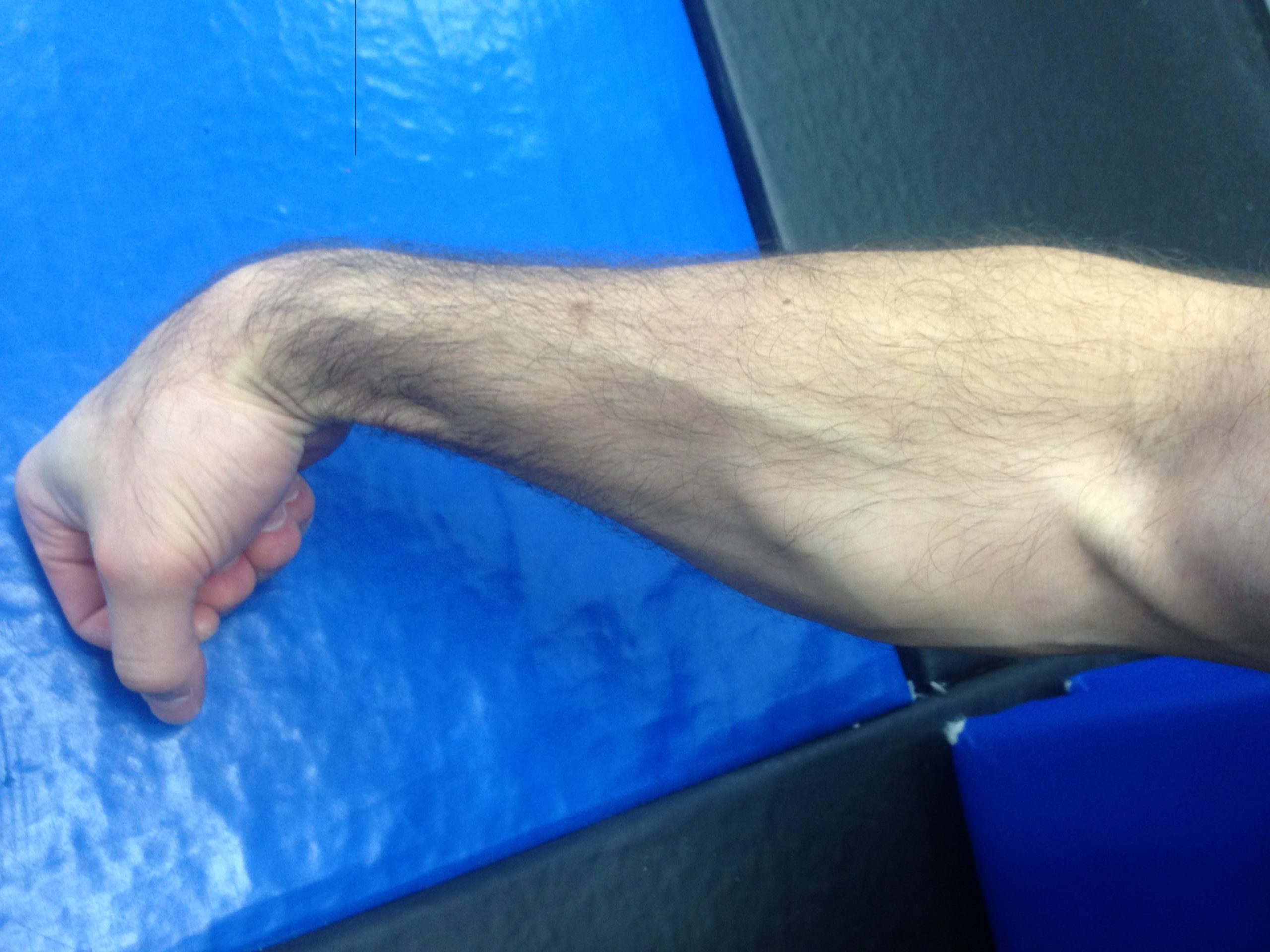
1. The primary cause of most elbow pain is muscular overuse. Muscular overuse causes muscles to get tight. Tight muscles are vulnerable to inflammation (known as tendonitis or golfer’s/tennis elbow), cramps, strains and tears. Tension also pulls the skeleton out of alignment which can cause arthritis and/or neuropathy.
NOTE: While your case of elbow pain is most likely the result of overused muscles, always get a proper diagnosis from a medical doctor!
2. Overuse injuries are caused by weakness. Working muscles assist each other to create movement. Should some muscles within a group become weak, their lack of work has to be assumed by those which remain strong. The burden of compensating for weak muscles causes strong muscles to become overused!
3. Strength is the most powerful solution for overuse injuries: End the burden of compensation by strengthening weak muscles and overused muscles recover. Recovery is fast and profound! Most people will feel an immediate reduction of pain and tightness. Often only two or three strengthening sessions are required for complete resolution. Strengthening weak muscles also increases tone helping to balance tension around joints. Improving skeletal alignment with strength is critical when managing arthritis, pinched nerves and ligament health. Strength is more powerful than stretching, myofascial release or rest! (however, the ultimate intervention combines all four).
4. Weak muscles lie adjacent to the strong. If you have an overused elbow flexor its weak partner will also be found within the elbow flexor group. Likewise, if you have an overused elbow extensor the muscle you need to strengthen will also belong to the elbow extensor group. No need to venture far from overused muscles to find weak partners or synergists.
5. Your left side must be trained in a manner opposite to your right side: If you are unlucky enough to have pain in both elbows – what you stretch on the left must be strengthened on the right and vice-versa. For example, if your extensor carpi radials is tight on your left it will be weak on your right! It does not matter if the pain feels identical. Only a very precise assessment can determine the exact needs of individual muscle fibres. Tarodo stretching actually isolates the individual heads within a muscle. The muscular needs of your body vary from front to back as well as side to side.
6. Blame posture: Posture is the placement of bones to compensate for the effects of gravity. For a bone to move (and remain in position) some muscles need to be active while others need to be inhibited. Active muscles become strong muscles and inhibited muscles become weak. Stop blaming yesterdays workout for your pain! Postural stress is relentless – continuing even as we sleep. Gravity never ceases – victimizing our backs, necks, shoulders, hips, knees, elbows, hands and feet.
Some people have a very difficult time developing muscle. Hardgainers, despite their greatest efforts, yield little progress. Conversely, “growers” reap amazing results despite what seems like minimal effort. The disparity between the two is often ascribed to genetics but the typical hardgainer has flaws in their approach to building muscle. Below are ten of the most common.
2. Having a phobia of gaining fat. Clients often jeopardize their muscle building efforts to pacify their fear of gaining fat. Closet cardio and fatty food abstinence are common, highly counterproductive behaviours. The key to building muscle is to support your body’s anabolic drive. Aerobic exercise is catabolic and fats (as well as other nutrients) contained in meat, fish and whole eggs are necessary for a vigorous metabolism. Your self-esteem needs work If the thought of gaining half a percent body-fat frightens you. Favour the identity of a goal assailing beast as opposed to a pretty (and procrastinating) princess.
3. Pusillanimous Exercise Choices: If you need to find a group of hardgainers in your gym, just venture over to the functional trainers and inflatables – preoccupy yourself with these devices and just maintaining your physique will be a major victory! Pusillanimous exercises have common traits:
a. They occupy the extremes of the stability continuum. That is, they are either too unstable (involving wobble boards and balls) or too stable (involving machines). Too much instability limits target tissue strain by sacrificing load. For example, most reasonably strong people (with their feet well based on the floor) can strain their biceps with a curl equalling fifty percent of their bodyweight. However, if that strong individual compromises their base by standing on a wobble board their ability to curl will drop to pusillanimous poundages. Someone with good balance might be able to tax their biceps with twenty percent of their bodyweight – lifting toddlers requires more strength than that! (note: never lift toddlers while standing on an unstable surface) Too much stability, on the other hand, limits whole-body strain which is important for eliciting a general physiological response (the release of testosterone, growth hormone etc.). Machines, which feature benches, supports and guided resistance eliminate much of the muscular engagement necessary to control posture, base and movement.
b. They feature plastic or rubber.
c. Are often unilateral. The best leg exercises for muscular mass use both legs and both arms at the same time. Single limb leg exercises simply do not support enough load for hardgainers. Less load means less tension on postural and target muscles. No legitimate hardgainer will satisfy their need for leg development by using lunges, step ups, split squats or pistol squats.
Effective exercises also have common traits:
a. They occupy the middle of the stability spectrum (neither too unstable nor artificially rigid). Free weight and bodyweight exercises place an enormous demand on muscles. Maximal muscle engagement is required to support posture, base, movement and load. The high level of whole-body strain triggers a big physiological response. With little practice, effective exercises allow the use of functional loads – loads stimulating enough to cause growth in target muscles.
b. They feature bodyweight and iron.
c. Are usually bilateral. As mentioned above, static leg exercises should be supported by the optimal placement of both feet. You are most stable when you can support the most weight. Bilateral barbell deadlifts and back squats are the most important exercises for the hardgainer. There exists no other alternative.
4. Horrendous Technique: A hoisted weight does not mean successful stimulation of the target muscle. I am amazed at the ability of some individuals to complete a repetition despite completely bypassing the appropriate musculature. Watch out for inappropriate leg drive, swinging, bouncing, kipping, non-existant negatives and minimal change in target joint angle. The vast majority of exercisers need to reduce the amount of weight they are using and slow their tempos until they improve their technique.
5. Piss-poor programming: All muscles have an adaptive niche. That is, a specific level of stress that causes the greatest result. For example, the lats respond best to fairly frequent training featuring low reps, heavy weights and multiple sets. Don’t settle for the generic prescription of 3 sets of 10 reps. Find the adaptive niches for your muscles through careful planning, observation and documentation. These programming “sweet spots” will greatly accelerate your results.
6. Inconsistency: Gifted exercise responders can miss workouts, swing from program to program and still build an awesome body. Hardgainers, without consistency, will achieve nothing. If you are a determined hardgainer, missed workouts must be rare. Plan on having to grind (with joy) on effective programs for a long time before making a switch. Hardgainers, trying to build muscle, have to battle just as hard as overweight people trying to lose fat.
7. Lack of Aggression: The gym is society’s most important emotional outlet. Challenge heavy barbell and body-weight exercises. Dig out your life’s bane and use it to ignite fury just prior to your most demanding lifts. Stop interrupting your drive and focus with moments on the phone as well as social dilly-dallying. Not only will your results improve – your mind and spirit will thank-you!
Compared to those gifted, it is very challenging for hardgainers to change their appearance. However, every hardgainer I have worked with has built major muscle after addressing the flaws above. Have patience, be methodical and you will persevere!
All the glorified MMA conditioning videos and articles have one thing in common – none of them make an in depth attempt to properly train the hamstrings or calves. The knee flexors are crucial for striking and grappling performance as well as career longevity. Consider the following muscular functions:
– Drives the hips and propels the body forward
– Provides the mass necessary for impact and knockouts
– Powers the legs ability to clamp and squeeze opponents in a wide variety of grappling situations
– Lowers the centre of gravity
– Reinforces and aligns the knee
Every striker I have ever spoken to repeats “you hit with your hips”. Despite this mantra no one considers what is responsible for snapping the hips forward. Enlightenment only occurs after a fighter suffers an injury to either a calf or hamstring. Pain at the back of the leg completely inhibits hip drive and punches as well as kicks become anemic. Fighters often lament how increased muscular bodyweight makes them feel slow and sluggish. This perception won’t occur with appropriate ankle training. Powerful, well conditioned calves will make you feel light on your feet.
Strikers rely on the weight of muscles as much as they rely on their ability to generate strength and power. Would you rather get hit by a eight ounce bat or a thirty eight ounce bat? Calf mass provides the momentum that converts head kicks into knockouts and leg kicks into shock. Leg mass also serves as an anchor from which it becomes possible to accelerate the hip. Momentum and inertia are terms from fundamental biomechanics that should be familiar to all fighters.
In grappling, the legs are an awesome tool for controlling opponents. The hamstrings and calves are heavily relied upon to squeeze out any space behind the knee and clamp down on legs, necks, hips and torsos. Imagine trying to take and maintain back control without knee flexors. Attempts at arm-bars and triangles would be fruitless! For Judokas, hamstring and calf development is a major asset. If your uchimata is impotent, training the back of your legs provides an edge.


For a world champion, Marcelo Garcia has a physical structure that seems relatively unremarkable – until you see his calves. It looks as if fifty percent of his bodyweight is below the knee! Like those punching bags which right themselves (thanks to a heavy base of sand), Professor Garcia’s low centre of gravity makes him hard to sweep. Marcelo always returns feet to floor. Muscle provides more than strength and power, it can be used to strategically distribute weight.
Both the hamstrings and calves have muscular heads which cross the knee joint. These muscles directly influence the strength and alignment of the leg. To minimize the chance of knee injury it is imperative to have a high strength to length ratio. Long legs which are narrow and weak will be prone to injury. Physics favours those with strong, thick and short legs. Size and strength, however, do not guarantee good knee alignment. Good alignment helps prevent the occurrence of injuries by evenly distributing stress. Poor alignment concentrates stress and structures that bear the greatest burden become vulnerable. If you want your knees to support a long martial art career you had better learn how to manage (stretch and strengthen) your hamstrings and calves!
Haphazard performance of deadlifts, hamstring curls or kettlebell and sled exercises will not improve your martial art performance. Proper hamstring and calf training demands an in-depth analysis of movement and muscle function. The right muscle fibres have to be targeted with effective exercises and programs. Any errors and your efforts will be fruitless. Hopefully this brief discourse inspires more coaches and athletes to comprehensively contemplate the calves and hamstrings!
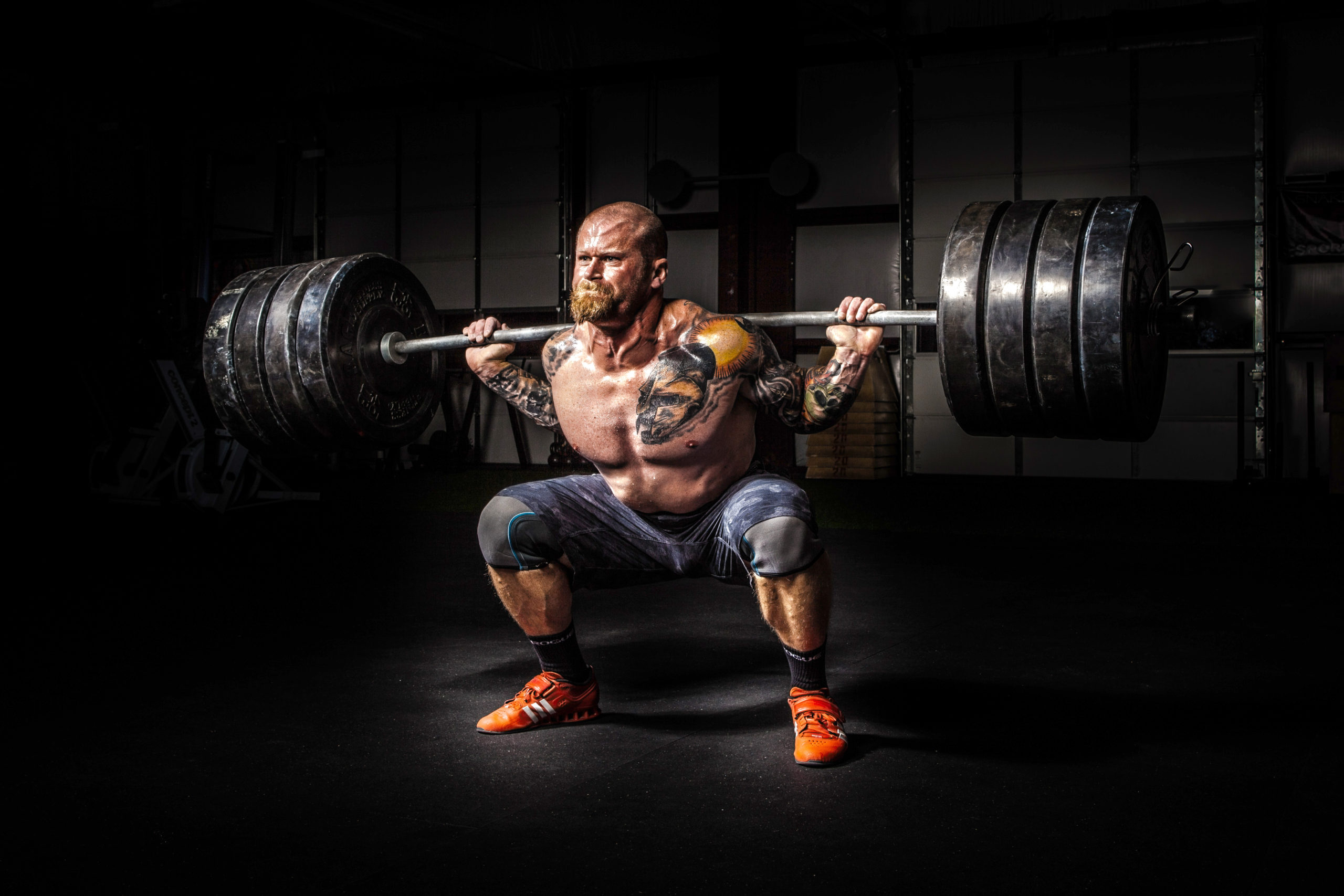
It’s all about the deadlift. If you struggle to build leg mass your only hope is to hoist heavy weights from the floor. Squats alone aren’t enough – they need to be potentiated by weekly deadlifting.
The deadlift is key for several reasons:
Complete muscle activation is another major key to leg growth. Always stretch the antagonists of target muscle tissue prior to a set. The increase in activation will result in better growth and muscular balance. For the quadriceps, try stretching your calves prior to sets of squats. Although most believe the hamstrings are the only antagonists of the knee extensors, if the heads of the gastrocnemius are tight they will also impede quadriceps contraction.
Add maximum mass to your thighs by including this routine in your program:
Monday
A1. Perform a lateral gastrocnemius stretch for 30 seconds. Rest 30 seconds.
A2. Perform a set of full squats with your heels on the floor for 10 reps. Rest 3 mins before repeating A1 and A2 three more times.
B1. Medial gastrocnemius stretch 30 seconds. Rest 30 seconds.
B2. Perform a set of 3/4 squats, with your heels elevated by 1 to 1.5 inches (omit the top 1/4 of each repetition), for 10 reps. Without rest, repeat B1 and B2 three more times.
Thursday
A1. Perform an Iliacus, psoas or abdominal stretch for 30 seconds. Rest 30 seconds.
A2. Perform a set of bent-knee deadlifts for 5 reps. Rest 4 minutes before repeating A1 and A2 six more times.
Insert this routine into a complete, periodized program. While it is very simple it is also brutal – requiring very high dedication to recovery. Avoid spine extension intolerance. If you survive, it will provide the greatest gains possible.
Old timers will tell you. The gains were greatest during the glorious days of the deadlift!

Recent Comments